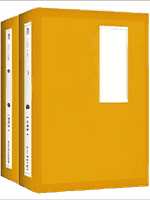
| 作 者: | 史密斯 |
| 出版社: | 电子工业 |
| 丛编项: | 国外计算机科学教材系列 |
| 版权说明: | 本书为出版图书,暂不支持在线阅读,请支持正版图书 |
| 标 签: | 暂缺 |
| ISBN | 出版时间 | 包装 | 开本 | 页数 | 字数 |
|---|---|---|---|---|---|
| 未知 | 暂无 | 暂无 | 未知 | 0 | 暂无 |
Chapter One
Introduction to Virtual Machines
1.1 Computer Architecture
1.2 virtual machine basics
1.3 process virtual machines
1.4 system virtual machines
1.5 A taxonomy
1.6 summary:the versatility of Virtual Machines
1.7 the rest of the book
Chapter Two
Emulation:interpretation and binary translation
2.1 basic interpretation
2.2 threaded interpretation
2.3 predecoding and direct threaded interpretation
2.4 interpreting a complex instruction set
2.5 binary translation
2.6 code discovery and dynamic translation
2.7 control transfer optimizations
2.8 Instruction set issues
2.9 case study:shade and the role of emulation during simulation
2.10 summary:performance tradeoffs
Chapter Three
Process virtual machines
3.1 virtual machine implementation
3.2 compatibility
3.3 state mapping
3.4 memory architecture emulation
3.5 instruction emulation
3.6 Exception Emulation
3.7 operating system emulation
3.8 Code cache management
3.9 System environment
3.10 Case study:FX!32
3.11 Summary
Chapter Four
Dynamic binary optimization
4.1 Dynamic program behavior
4.2 profiling
4.3 optimizing translation blocks
4.4 optimization framework
4.5 code reordering
4.6 code optimizations
4.7 same-ISA optimization systerms:special-case process virtual machines
4.8 summary
chapter five
high-level language virtual machine architecture
5.1 the pascal p-code virtual machine
5.2 object-oriented high-level language virtual machines
5.3 the jave virtual machine architecture
5.4 completing the platform:APIs
5.5 the microsoft common language infrastructure:a flexible high-level language virtual machine
5.6 summary:virtual ISA features
Chapter six
high-level language virtual machinne implementation
6.1 dynamic class loading
6.2 implementing sdecurity
6.3 garbage collection
6.4 java native interface
6.5 basic emultion
6.6 high performance emulation
6.7 case study:the likes research virtual machine
6.8 summary
Chapter seven
codesigned virtual machines
7.1 Memory and register state mapping
7.2 self-modifying and self-Referencing
7.3 support for code caching
7.4 implementing precise traps
7.5 input/output
7.6 applying codesigned virtual machines
7.7 case study:transmeta crusoe
7.8 case study:IBM AS
7.9 summary
Chapter eight
system virtual machines
8.1 key concepts
8.2 Resource Virtualization-Processors
8.3 Resource Virtualization-Memory
8.4 resource virtualization-input/output
8.5 performance enhancement of system virtual machines
8.6 case study:V Mware virtual Platform
8.7 case study:the intel VT-x(Vanderpool)technology
8.8 summary
Chapter nine
Multiprocessor virtualization
9.1 Partitioning of multiprocessor systems
9.2 Physical Partitioning
9.3 logical Partitioning
9.4 case study:cellular disco system virtual machine -based partitioning
9.5 virtualization with different host and guest ISAs
9.6 summary
Chapter ten
Emerging applications
10.1 Security
10.2 migration of computing environments
10.3 grids:virtual organizations
10.4 sumary
Appendix A
real machines
A.1 Computer system hardware
A.2 the user ISA:computation
A.3 The system ISA:resource Management
A.4 Operating System organization
A.5 The operating system interface
A.6 system initialization
A.7 Multiprocessor architecture
A.8 Example instruction set architectures
References
Index