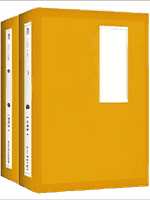
| 作 者: | 利普曼 |
| 出版社: | 人民邮电出版社 |
| 丛编项: | 典藏原版书苑 |
| 版权说明: | 本书为出版图书,暂不支持在线阅读,请支持正版图书 |
| 标 签: | C++ |
| ISBN | 出版时间 | 包装 | 开本 | 页数 | 字数 |
|---|---|---|---|---|---|
| 未知 | 暂无 | 暂无 | 未知 | 0 | 暂无 |
Chapter 1: Basic C++ Programming 1
1.1: How to Write a C++ Program 1
1.2: Defining and Initializing a Data Object 7
1.3: Writing Expressions 10
1.4: Writing Conditional and Loop Statements 15
1.5: How to Use Arrays and Vectors 22
1.6 Pointers Allow for Flexibility 26
1.7: Writing and Reading Files 30
Chapter 2: Procedural Programming 35
2.1: How to Write a Function 35
2.2: Invoking a Function 41
2.3: Providing Default Parameter Values 50
2.4: Using Local Static Objects 53
2.5: Declaring a Function Inline 55
2.6: Providing Overloaded Functions 56
2.7: Defining and Using Template Functions 58
2.8: Pointers to Functions Add Flexiblity 60
2.9: Setting Up a Header File 63
Chapter 3: Generic Programming 67
3.1: The Arithmetic of Pointers 68
3.2: Making Sense of Iterators 73
3.3: Operations Common to All Containers 76
3.4: Using the Sequential Containers 77
3.5: Using the Generic Algorithms 81
3.6: How to Design a Generic Algorithm 83
3.7: Using a Map 90
3.8: Using a Set 91
3.9: How to Use Iterator Inserters 93
3.10: Using the iostream Iterators 95
Chapter 4: Object-Based Programming 99
4.1: How to Implement a Class 100
4.2: What Are Class Constructors and the Class Destructor? 104
4.3: What Are mutable and const? 109
4.4: What Is the this Pointer? 113
4.5: Static Class Members 115
4.6: Building an Iterator Class 118
4.7: Collaboration Sometimes Requires Friendship 123
4.8: Implementing a Copy Assignment Operator 125
4.9: Implementing a Function Object 126
4.10: Providing Class Instances of the iostream Operators 128
4.11: Pointers to Class Member Functions 130
Chapter 5: Object-Oriented Programming 135
5.1: Object-Oriented Programming Concepts 135
5.2: A Tour of Object-Oriented Programming 138
5.3: Polymorphism without Inheritance 142
5.3: Defining an Abstract Base Class 145
5.4: Defining a Derived Class 148
5.5: Using an Inheritance Hierarchy 155
5.6: How Abstract Should a Base Class Be? 157
5.7: Initialization, Destruction, and Copy 158
5.8: Defining a Derived Class Virtual Function 160
5.9: Run-Time Type Identification 164
Chapter 6: Programming with Templates 167
6.1: Parameterized Types 169
6.2: The Template Class Definition 171
6.3: Handling Template Type Parameters 172
6.4: Implementing the Template Class 174
6.5: A Function Template Output Operator 180
6.6: Constant Expressions and Default Parameters 181
6.7: Template Parameters as Strategy 185
6.8: Member Template Functions 187
Chapter 7: Exception Handling 191
7.1: Throwing an Exception 191
7.2: Catching an Exception 193
7.3: Trying for an Exception 194
7.4: Local Resource Management 198
7.5: The Standard Exceptions 200
Appendix A: Exercise Solutions 205
Appendix B: Generic Algorithms Handbook 255
Index 271