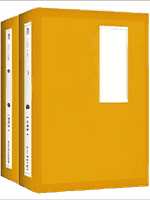
| 作 者: | 贾珺 |
| 出版社: | 清华大学出版社 |
| 丛编项: | 中国古代建筑知识普及与传承系列丛书·北京古建筑五书 |
| 版权说明: | 本书为出版图书,暂不支持在线阅读,请支持正版图书 |
| 标 签: | 中国古建筑与施工技术 |
| ISBN | 出版时间 | 包装 | 开本 | 页数 | 字数 |
|---|---|---|---|---|---|
| 未知 | 暂无 | 暂无 | 未知 | 0 | 暂无 |
chapter i courtyards and beijing
[1] the evolution of chinese courtyards siheyuan
[2] from dadu of yuan to beijing of ming and qing
[3] hutong
chapter ii the basic layout of courtyards in beijing
[1] the typical layout
[2] parallel layout
[3] courtyards with gardens
[4] the landscaping of courtyards
chapter iii the architectural makeup of courtyards
[1] a house is divided into three parts
[2] the base
[3] the carpentry of the house
[4] the outer walls
[5] the roof
[6] exterior fit-up
[7] interior fit-up
[8] furnishings
chapter iv the types of houses in courtyards
[1] the front gate
[2] the festooned gate
[3] the main house
[4] the side houses
[5] the wing houses
[6] the opposite house
[7] the backside house
[8] the veranda
[9] the screen wall and the yard wall
chapter vi the construction of courtyards
[1] leveling and orientation
[2] ramming earth and building the bases
[3] masonry
[4] the processing of timber
[5] tenons and mortises
[6] the beam mount
[7] brickwork
[8] tilework
[9] wooden fittings
[10] carvings
[11] painting and colored patterns
chapter vii selected classic residential courtyards of the qingdynasty
[1] prince fu's mansion
[2] prince gong's mansion
[3] thehouse ofchongli
[4] the house of wenyu
[5] the house oflinqing
[6] the house ofzhang zhidong
[7] the house of rongyuan
[8] the house ofjiyun
chapter viii courtyards that are the former residences of moderncultural luminaries
[1] the former residence of lu xtra
[2] the former residence of(iuo moruo
[3] the former residence of kao she
[4] tile former residence of mao dun
[5] the former residence ofqi baishi
[6] the former residence of mci lanlhng
the cultural implications of courtyards and the charm of living inthem
[1] fcngshui taboos
[2] thc ethical order
[3] isolation from the outside
[4] atranquil and beautififul place
[5] refined living
conclusion
bibliography
acknowledgements
illustrations