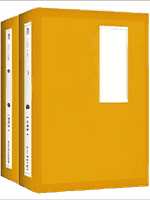
| 作 者: | 任慧 |
| 出版社: | 北京理工大学出版社 |
| 丛编项: | 普通高等教育"十二五"规划教材 |
| 版权说明: | 本书为出版图书,暂不支持在线阅读,请支持正版图书 |
| 标 签: | 暂缺 |
| ISBN | 出版时间 | 包装 | 开本 | 页数 | 字数 |
|---|---|---|---|---|---|
| 未知 | 暂无 | 暂无 | 未知 | 0 | 暂无 |
引言Introductions
第1章 含能材料简述Introduction of Energetic Materials
1.1 含能材料的基本特点Basic Characters of Energetic Materials
1.2 含能材料的用途Applications of Energetic Materials
1.2.1 军事用途
1.2.2 在民用领域的应用
1.3 含能材料的发展历史Histories of Energetic Materials
1.4 含能材料与化学Energetic Materials and Chemistry
第2章 原子结构和元素周期表Structure of the Atom and the Periodic Table.
2.1 原子的基本构成Fundmental Parts of the Atom
2.2 原子结构Atom Structure
2.3 量子力学模型Quantum Mechanics Model
2.3.1 波粒二象性
2.3.2 薛定谔方程
2.3.3 核外电子运动状态的描述
2.3.4 轨道形状
2.4 多电子原子结构Atom Structure with Many Electrons
2.4.1 多电子原子的能级
2.4.2 原子核外电子的排布
2.5 元素周期表The Periodic Table
2.6 元素性质的周期性Periodic Properties of the Elements
2.6.1 原子半径
2.6.2 电离能
2.6.3 电子亲和能
2。6.4 电负性
2.6.5 元素的氧化数
2.6.6 元素的金属性和非金属性
第3章 化学键与物质结构Chemical Bond and Structure of Matter
3.1 离子键和离子化合物Ionic Bond and Ionic Compounds
3.1.1 离子键
3.1.2 离子化合物
3.1.3 离子极化及其对物质性质的影响
3.2 共价键与共价化合物Covalent Bond and Covalent Compounds
3.2.1 价键理论一一电子配对理论
3.2.2 杂化轨道理论
3.2.3 价层电子对互斥理论
3.2.4 分子轨道理论
3.2.5 共价晶体
3.3 配位键和配位化合物Coordination Bond and Coordination Compound
3.3.1 配位键
3.3.2 配合物
3.3.3 配合物的化学键理论
3.3.4 配合物的价键理论
3.4 金属键与金属晶体Metallic Bond and Metal Crystal
3.4.1 金属键的改性共价键理论
3.4.2 金属键的能带理论
3.4.3 金属晶体的紧密堆积结构
3.5 分子间作用力、氢键和分子晶体Intermolecular Force,Hydrogcn Bond and Molecular Crystal。
3.5.1 分子的极性
3.5.2 分子间作用力
3.5.3 氢键
3.5.4 分子晶体
3.6 混合型晶体Mixed Crystal
3.7 含能材料制造中常用的单质及化合物Frequently Used Pure Substances in Energetic Materials
3.7.1 含氧酸盐
3.7.2 高活性金属
3.7.3 叠氮化物
……
第4章 酸和碱 Acids and Bases
第5章 配位平衡 Coordination Equilibrium
第6章 沉淀平衡 Sedimentation Equilibrium
第7章 原电池和氧化还原反应 Primary Battery and Oxidation-Reduction Reaction
第8章 非金属元素选述 Non-Metallic Elements Selected Description
第9章 主族金属元素选述 Metallic Elements in Main Group Selected Description
第10章 化学实验基础 Experimrntal Chemistry
附录
参考文献
元素周期表
