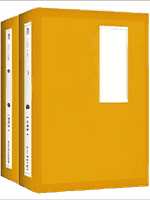
| 作 者: | 李心广 |
| 出版社: | 人民邮电出版社 |
| 丛编项: | |
| 版权说明: | 本书为出版图书,暂不支持在线阅读,请支持正版图书 |
| 标 签: | 大学专业英语教材 |
| ISBN | 出版时间 | 包装 | 开本 | 页数 | 字数 |
|---|---|---|---|---|---|
| 未知 | 暂无 | 暂无 | 未知 | 0 | 暂无 |
Chapter I Information Technology
and IT Outsourcing Human
Resources Pool
Introduction
Section A Information Technology
I. Information Systems
2. Hardware
Types of Computers
Hardware of Microcomputers
3. Software
4. The lntemet and Its Applications
5. Notes
6. Exercises
Section B ITO Human Resources Pool
1. Terms About ITO
2. Chinas IT Outsourcing Industry
International Conference of Outsourcing
ITO Events in Various Areas of China
3. Key Drivers and Challenges
4. An Overview of Global Fro Market.
5. Notes
6. Exercises
Section C Review & Reading
1. Review
2. Supplementary Reading
Chinas Soflware Outsourcing Indusr in Comparison with Indias
3. Computer Words and Expressions I
词汇I
Chapter 2 The System Unit
Introduction
Section A
1. The System Unit
2. Electronic Data and Instructions
Analog and Digital Signals
Representing Text
3. The System Board
4. Microprocessors
Control Units
Arithmetic-logic Units
Microprocessor Chips
Specialty Processors
5. Memory
6. System Clocks
7. Notes
8. Exercises
Section B
1. Expansion Slots and Cards
Graphics Cards
Sound Cards
Network Interface Cards
TV Tuner Cards
Plug and Play
PC Cards
2. Bus Lines
Bus Width
Expansion Buses
3. Ports
Standard Ports
Serial Ports
Parallel Ports
Universal Serial Bus (USB) Ports
FireWire Ports
Specialized Ports
Cables
4. Power Supply
Power Supply Units of Desktops
AC Adapters of Laptops
5. Notes
6. Exercises
Section C Review & Reading
1. Review
2. Supplementary Reading
Ⅰ. Intel Pentium Ⅲ Processor Serial Number
Ⅱ. Chinas IT Outsourcing: A
Two-Minute Guide to Finding Your Partner
3. Computer Words and Expressions Ⅱ
词汇Ⅱ
Chapter 3 Input and Output
Introduction
Section A Input and Input Devices
1. What Are Input and Output?
2. Input Devices
Keyboards
Pointing Devices
Scanning Devices
Audio-input Devices
3. Notes
4. Exercises
Section B Output Devices and
Combination Devices
1. Output Devices
Monitors
Printers
Audio-output Devices
2. Combination Input and Output
devices
Touch Screens
Fax Machines
Mnitifunctional Devices (MFD)
Intemet Telephones
3. Notes
4. Exercises
Section C Review &. Reading
1. Review
2. Supplementary Reading
Brain-computer Interface
3. Crammar
Chapter 4 Storage
Introduction
SectionA Primary Storage
l. What Is Primary Storage?
2. Primary Storage Devices
RAM
ROM
CMOS
CMOS battery
Processor Registers
Processor Caches
3. Notes
4. Exercises
Section B Secondary Storage
I. What ls Secondary Storage?
2. Secondary Storage Devices
Hard Disk Drives
Floppy Disks
Optical Discs
Flash Memory
Other Storage Devices
3. Notes
4. Exercises
Section C Review & Reading
I. Review
2. Supplementary Reading
Ⅰ Storage Systems
Ⅱ. Connected Learning
Ⅲ.mmar
Chapter 5 Operating Systems
Introduction
Section A Operating Systems
1. The History of Operating Systems
Terms About OS
Interactive Processing and Real-time Processing
Time-sharing
OS in Nowadays
2. Operating System Architecture
A Software Survey
Components of an Operating System
Getting It Started
3. Notes
4. Exercises
Section B System Security
1. Attacks from the Outside
2. Attacks from Within
3. Notes
4. Exercises
Section C Review & Reading
1. Review
2. Supplementary Reading
I. Linux
II. BPO-Busineas Process
Outsoureing
3. Gtammar
Chapter 6 Application Software——Databases & Multimedia
Introduction
Section A Databases
1. About Databases and DBMS
2. Features
3. Database Models
4. Applications of Databases
5. Database Design
6. Database Development Platforms
7. Notes
8. Exercises
Section B Multimedia
l. Introduction
2.The Elements of Mttltimedia
Text
Still Images and Graphics
Animation and Video
Audio
3. Interactive Multimedia Applications
4. Multimedia Development Software
5. Notes
6. Exercises
Section C Review & Reading
1. Review
2. Supplementary Reading
Ⅰ. User Interaction with a Database Program
Ⅱ. Motion Capture Sottware:Cortex
3. Animation Production Videos: Live-to Air Brcadeast
4. Grammar
Chapter 7 Communication and the Internet Introduction
Section A The Interact
1. What Is the Interact
2. Web Basics
3. Aeeassing the lnternet
4. Network-related Jobs
5. Notes
6. Exercises
Section B Interact Applications
1. Communication
2. Web Search Engines
3. Electronic Commerce
4. File Transfer
5. Netiquette
6. Security
7. Notes
8. Exercises
Section C Review & Reading
1. Review
2. Supplementary Reading
Ⅰ. Firewall
Ⅱ. Wireless Security
3. Reading and Writing
4. Grammar
Chapter 8 Computer Networks
Introduction
Section A Network Software
1. Exemplary Networks
2. Protocol Hierarchies
3. Types of Networks
4. Notes
5. Exercises
Section B Network Hardware
1. Introduction
2. Physical Communication
Channels
3. Basic Hardware Components
4. Notes
5. Exercises
Section C Review & Reading
1. Review
2. Supplementary Reading
Father of Fiber-Optics Wins
Nobel Prize
3. Grammar
Chapter 9 Data Structures
Introduction
Section A Data Structures
1. Data Structure Fundamentals
Basic Data Structures
Abstraction
Pointers
2. Implementing Data Structures
Storing Arrays
Homogeneous Arrays
Heterogeneous Arrays
Storing Lists
Storing Stacks and Queues
Storing Binary Trees
Manipulating Data Structures
3. Notes
4. Exercises
Section B Customized Data Types
1. Customized Data Types
User-Defined Data Types
Abstract Data Types
2. Classes and Objects
3. Notes
4. Exercises
Section C Review & Reading
1. Review
2. Supplementary Reading
I. A Problem with Pointers
II. "Apparel Industry Amid GlobalMeltdown——-Outsoureing IntelligenceReport".
3. Translation Issues in IT Fields I
Chapter 10 Programming and
Programming Languages
Introduction
Section A Programming
1. Programming Paradigms
The Imperative Paradigm
The Declarative Paradigm
2. Functional Programming
3. Object-oriented Programming
Classes
Objects
Instances
Methods
Message Passing
Inheritance
Abstraction
Encapsulation
Polymorphism
4. Algorithms
5. Instruction Sets
6. Notes
7. Exercises
Section B Programming Languages
1. About Programming Languages
2. Low-level Programming
Languages
The Machine Language
The Assembly Language
3. High-level Programming
Languages
C Programming Language
4. Compiled Languages and Interpreted
Languages
Compilers
Interpreters
Compiled Languages
Interpreted Languages
5. Markup Languages and Scripting
Languages
6. Notes
7. Exercises
Section C Review & Reading
1. Supplementary Reading
I. Objecot-oriented Programming.
II. Chinas Soft:ware and Service
Outsourcing Industry Presents New Features
2. Translation Issues in IT Fields II
Appendix An Overview of Outsourdng
1. Brief History of Outsourcing
Initial Stages of Evolution
Strategic Partnerships
2. What is Outsourcing?
Why Do CompaniesOutsouree?
How to Decide Whether to Outsouree?
ITO. BPO. KPO——-Whats the Difference?
What about Bundling?
What Is an SLA?
What Do I Need to Know About the Transition Period?
Main Factors Influencing Successful Outsourcing
How Important Is Ongoing Relationship Management to Outsouroing Success?
3. Outsourcing Process
Program Initiation
Service Implementation
Final Agreement
Program Closure
4. How Is Outsourcing Priced?
What are the "Hidden Costs" of Outsoureing?
5. Why Is Outsourcing So Hard?
How Do I Decide What Vendor or Vendors to Work with?
Do You Have Any Tips for Negotiations?
Wheres the Best Place in the World to Ontsouree IT?.
What if Outsourcing Doesnt Work Out? Can I Just Bring the Work Back In?
Bibliography